
Document your interest capitalization methodology, maintain detailed calculation worksheets, and reconcile capitalized amounts to interest expense quarterly. Tax treatment under IRC Section 263A may differ from book treatment, requiring careful coordination with your tax advisors. Take the next step in streamlining your project cost management—start your free trial with Planyard today or schedule a demo to experience the difference in real-time financial control. These practices not only enhance accuracy but also improve overall financial management for ongoing and future projects.
CIP Accounting Standards and Compliance
CIP accounts reflect capital investments and appear as fixed assets, while WIP costs are reported under inventory on the balance sheet. Both are essential for accurate financial reporting, but understanding their distinct roles ensures clarity in financial statements. These costs include direct expenses, such as materials, labor, and equipment, as well as indirect costs, such as permits, licenses, and supervision fees.

Best Fleet Telematics Software Companies In 2025
We provide regular reports that link CIP account balances with project budgets and timelines. Investors, lenders, and partners trust businesses that follow structured construction in process accounting practices. Construction in process accounting must reflect these changes accurately in the CIP account. Projects spanning multiple accounting periods complicate expense tracking and reporting.
- Company ABC would now start to depreciate the equipment since the project finished.
- These costs can include materials, labor, equipment, and overhead expenses, such as insurance and taxes.
- However, you must know that the nature of costs and revenues in every construction contract varies.
- Following the capitalization and transfer, the asset’s accumulated cost must be systematically expensed over its estimated useful life.
- Join a leading independent power producer at the forefront of renewable energy development.
- During construction, CIP is not depreciated because it’s not yet available for use.
- When costs are incurred during the construction or development phase of a project, they are initially recorded as CIP on the balance sheet.
How does CIP treatment differ from R&D capitalization?

Construction projects require a specialized approach known as Construction in Progress (CIP) accounting. This method allows companies to manage expenses for ongoing projects, keeping finances organized until completion. In this guide we’ll explore CIP accounting in construction, its representation on the balance sheet, and how Planyard can streamline the process. Construction companies and contractors understand construction projects can span months or years before completion due to the scope of work. Between the start and end of a project, companies must maintain construction accounting records to track costs and revenues. It’s a method a construction company uses to record and report financial transactions and progress from beginning to end.
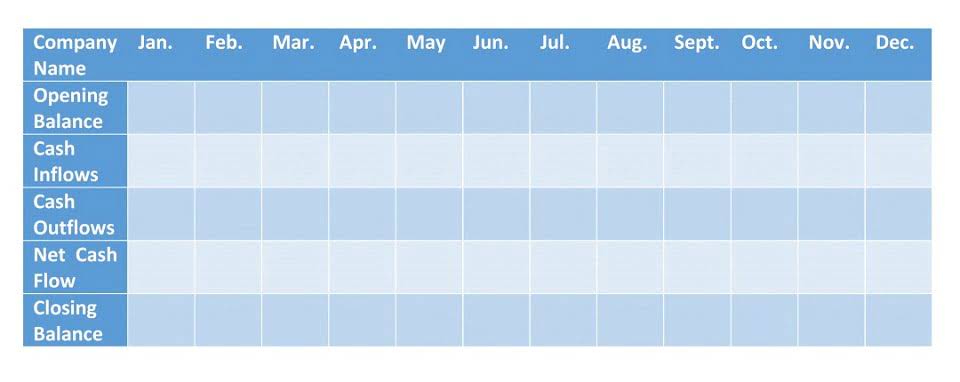
Progress billings fund large, long-term projects through staged payments tied to agreed milestones. The building contract states how clients approve cost changes, and typically, a customer must initial or sign a document that indicates the specific changes. If the account shows up as a subaccount of PP&E, it is for the business to use itself and may be considered in progress. Clear schedules of values, retainage terms, and upfront agreement help maintain transparency and reduce financial strain. This supports contractor cash flow while letting clients pay over time, which is why it’s common in construction and aerospace.
- Implement quarterly CIP reviews with your CFO or Controller before audit season begins.
- Whether you are a student, a business owner, or a finance professional, understanding the meaning and implications of CIP is essential.
- Proper journal entries provide an accurate, real-time financial picture of a project.
- If the account shows up as a subaccount of PP&E, it is for the business to use itself and may be considered in progress.
- Expenses already recorded in CIP accounts may no longer qualify for capitalization if they relate to abandoned or substantially altered portions of the project.
- Tracking costs over time helps match financial data with actual construction activity.
This entry simultaneously removes the balance from cip accounting the temporary CIP account and establishes the historical cost in the permanent fixed asset account. The CIP account accumulates all direct and indirect expenses incurred from the project’s inception until the asset is placed into service. These expenditures must be identified and aggregated to establish the historical cost basis for the new fixed asset. Recognize the loss when management makes a substantive decision to abandon or significantly curtail the project.

- When the project hits substantial completion, accounting should receive a formal notice that includes the date and details of any additional expenses to get the project to a final completion.
- Proper documentation and internal controls are essential to support these estimates and ensure compliance.
- Document your interest capitalization methodology, maintain detailed calculation worksheets, and reconcile capitalized amounts to interest expense quarterly.
- Extensive documentation for scope changes is necessary to withstand audit scrutiny, especially when they involve significant write-offs or substantial cost increases.
- This percentage completion appropriation method is most common when a contract of delivering a large number of similar assets is made.
- These costs must be tracked via time sheets or dedicated project codes for accurate allocation.
As we move forward, https://www.bookstime.com/ let’s explore the best practices for implementing CIP accounting in your construction business. Managing multiple expenses across various projects can lead to errors or omissions. This reduces stress during audits and builds confidence with lenders, investors, and regulatory bodies.

- There are several key accounting practices that construction companies and contractors should understand when working with a construction CPA firm.
- We understand that there is an art to what contractors do, and financial worries can disrupt the creative process and quality of work.
- In short, only costs directly attributable to bringing the asset to its working condition are recorded in CIP accounts.
- Once costs have been allocated, and meets the criteria for capitalization, it is added to the CIP asset account in the company's general ledger.
- A CIP asset is a long-term asset under construction that is not yet ready for use.
- This timing aligns with tax treatment under the half-year, mid-quarter, or mid-month conventions.
While this appears to be challenging, industry-specific solutions such as CMiC are helping accounting teams https://www.prajva.in/2021/08/04/accounts-receivable-aging-how-to-calculate/ navigate through ASC 606. Internal controls must ensure that only eligible capital expenditures are accumulated in the CIP account. A periodic review prevents the misclassification of routine maintenance or repair costs as capital additions. Routine maintenance, such as changing a filter, is an immediate operating expense and must not be capitalized. Robust documentation is the non-negotiable core of CIP management, providing the necessary audit trail to support the capitalized amounts.
Maintaining Transparency and Compliance
The company incurs costs for salaries of programmers, software licenses, development tools, and other expenses related to the project. Our knowledgeable team has decades of experience managing construction company accounts, and you can feel confident that we will navigate your company’s specific situation with care and expertise. With its ability to effectively manage complex calculations and varying reporting requirements, CMiC brings efficiency and precision, streamlining complicated process. Retainage can be best explained as a safety net — a certain percentage of the contract’s total value (typically 5% to 10%) is held back until project completion or a pre-decided date.